
Your needs, this model
Does it fit your priorities?
Do you want the Steam Pickup brushroll arrangement rather than a cloth-pad mop?
The SD201 exact page describes a three-in-one hard-floor cleaner with wet/dry debris pickup and a self-cleaning brushroll. It is matched under that distinct task, not as an ordinary pad mop.
Explore this need in the finder →Must the machine document suction or dirty-liquid recovery?
That requirement is not established by the exact SD201 page and the SD200 guide is not verified for SD201. Unknown recovery capability cannot meet an essential requirement.
Explore this need in the finder →Can its brushroll pickup arrangement meet your hard-floor job without a cloth pad?
Yes, for the exact page’s steam-and-pickup floor task; the wet/dry debris feature is separate from a conventional padded mop head. Floor material compatibility still needs manufacturer permission.
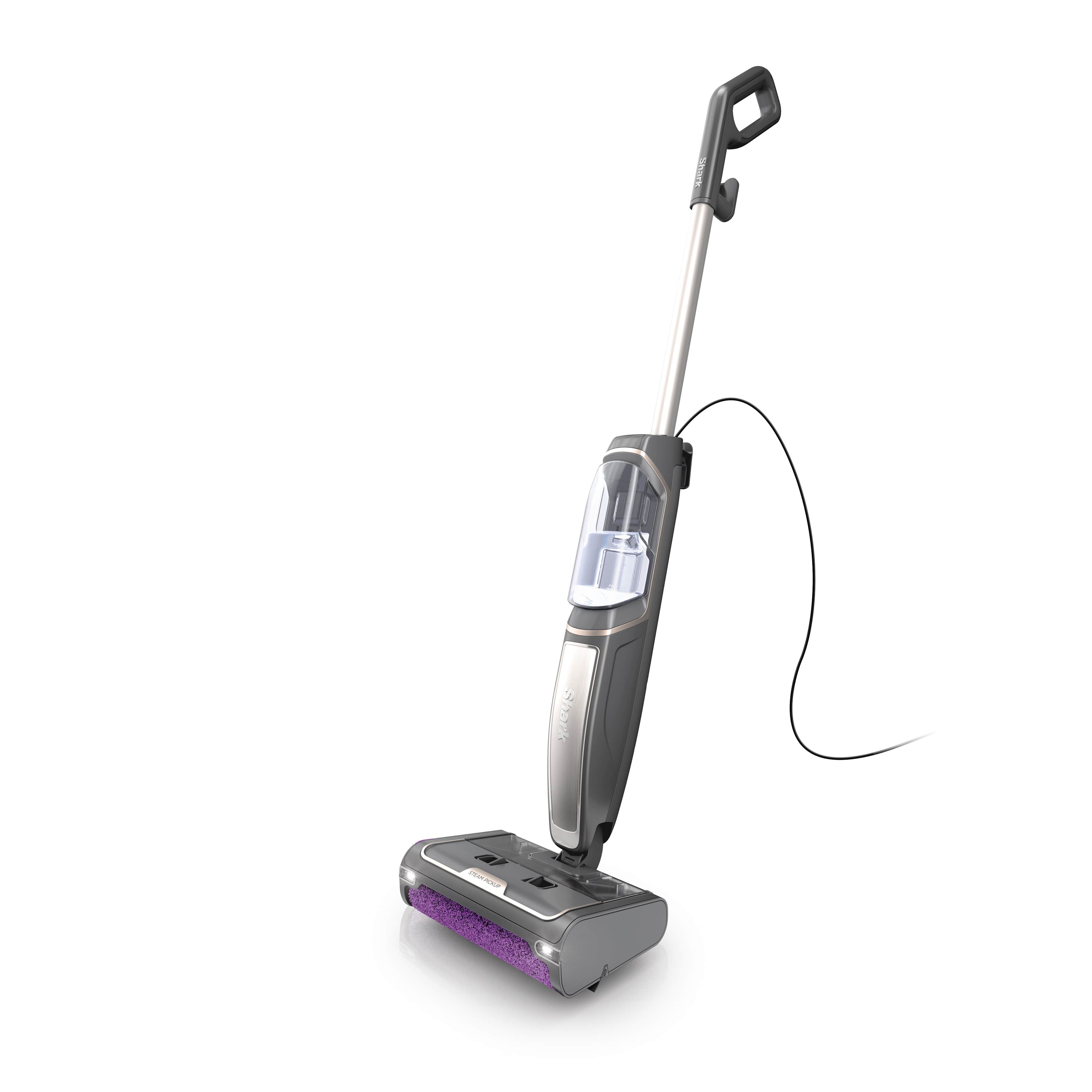
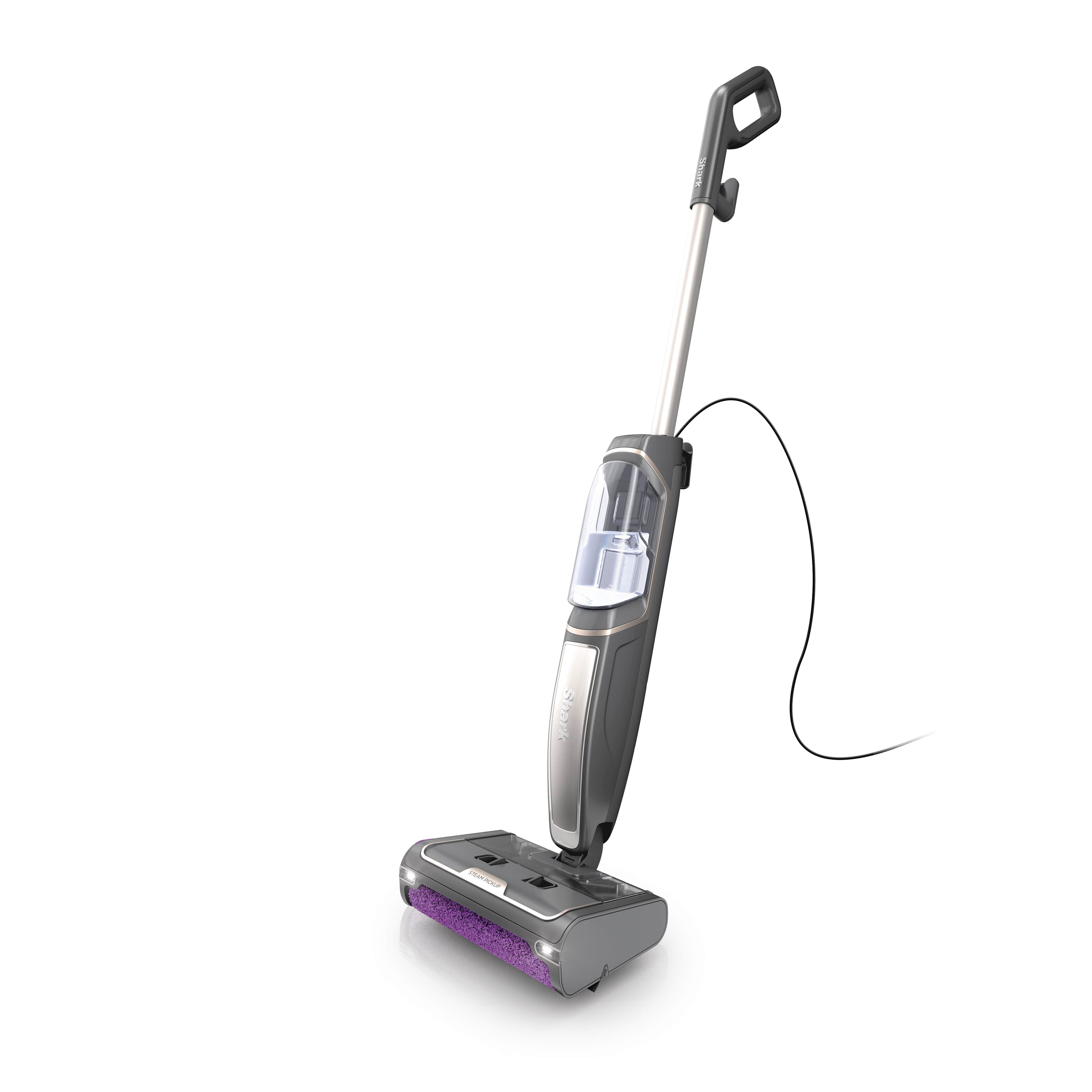
Explore this need in the finder →The Shark Steam Pickup SD201 is a corded hard-floor appliance built around a steam brushroll and a removable debris system. Shark says it picks up loose dry debris and wet messes through the nozzle, deep scrubs, and applies steam without requiring a pre-sweep. That is a different job from a cloth-pad mop. It is also important not to overread the name: the inspected SD201 page does not establish vacuum suction or a conventional dirty-water recovery tank.
What “pickup” means on this model
Shark’s exact SD201 product page describes wet and dry debris being captured and separated inside the nozzle. It lists a self-cleaning brushroll and a debris tray for easier cleanup. The manufacturer’s model page supports a mechanical brushroll-and-bin pickup route; it does not describe an airflow vacuum or a separate suction mode. The distinction matters if you are comparing it with a wet/dry floor washer: a bin that collects solid material and wet residue is not automatically a vacuum recovery system. Buyers who require vacuum suction or a documented dirty-liquid tank should select a product whose exact guide explicitly describes those mechanisms.
The powered brushroll is the practical reason to consider the SD201. A household that repeatedly encounters crumbs or small spills on suitable sealed flooring may value the combined pickup-and-steam workflow, rather than making a separate dry pass before using a pad mop. Shark advertises up to two times better stain cleaning versus a traditional steam mop; treat that as a manufacturer comparison, not an independent cleaning measurement. The model page also makes a controlled-condition bacteria claim. Follow its complete directions for any sanitizing use and do not interpret that claim as protection from every organism or as permission to steam every surface.
Reach and limits in the exact listing
The product page lists a 7.01-pound weight, 9.3-inch cleaning path, 25-foot cord, 1,230 watts, and one antimicrobial brushroll in the exact in-box list. Those are useful for checking handling, doorway width, outlet spacing, and replacement planning; no runtime or room-coverage estimate follows from them. The exact page does not state a clean-water tank capacity, dirty-water capacity, or assembled refill interval. A separate SD200-series document surfaced during research, but its cover names SD200 rather than SD201. Because the exact suffix linkage and package equivalence were not established there, this assessment does not borrow the document’s tank capacity, detailed care schedule, or mode count for SD201.
That leaves a real ownership question: pickup devices need cleanup after collecting messes. Shark’s exact SD201 page points to a nozzle tray and a brushroll as serviceable parts and emphasizes separating wet and dry debris. Before you depend on it for repeated spills, inspect the exact instructions for emptying the debris parts, drying, and any filter or water rules; do not substitute instructions from another suffix. Do not add cleaning solution unless the exact manual expressly allows it. The exact product page’s current offer shows the model available from Shark, but a buyer should still confirm the model label, included brushroll, tray, and the seller’s current terms.
How the finder should treat its special setup
For matching, the SD201 belongs in a dedicated powered steam-brushroll pickup need—not in the padded-floor-mop answer. Its floor head is a brushroll, not a cloth pad. It can be relevant when built-in dry-and-wet mess pickup is the first priority, but the evidence does not let it pass a hard requirement for vacuum recovery, dry-debris suction, or liquid extraction. The ordinary question distinguishes those requirements so a visitor is not sent to a product based only on words such as “pickup” or “3-in-1.”
It is not a carpet cleaner, upholstery tool, canister steamer, or a substitute for compatible-floor guidance. Shark describes sealed hard-floor use and lists hardwood, laminate, tile, stone, marble, and vinyl. As with any steam floor appliance, the exact coating, sealant, joints, and manufacturer’s care restrictions matter; avoid unsealed wood and follow the flooring maker’s instructions. If the surface is delicate, wax-finished, or not clearly approved for steam, this is not a safe assumption test case.
Choose it for the brushroll, not for an unstated feature
The SD201 is the distinctive Shark choice when one corded machine needs to brush up wet and dry floor debris and use steam on suitable sealed floors. Choose a basic pad mop such as the S1000 if a simple cloth pad and low weight matter more than pickup. Choose the S8201 if rotating twin pads are the desired scrubbing mechanism. Choose a documented wet/dry washer if separate clean and dirty water reservoirs, vacuum recovery, or a dedicated suction mode are essential. The exact SD201 manual bridge remains incomplete, so optional operating details stay explicitly unknown rather than being filled from the SD200-series guide.
Manufacturer basis: Shark’s exact SD201 U.S. product page and its linked model-specific parts listings. A Shark Steam Pickup document labelled SD200 was inspected as a possible family reference; because it does not name SD201, no model-specific capacity or care facts were transferred from it. The direct PDF host rejected a local copy with HTTP 403.
Key details at a glance
| Machine arrangement | Steam pickup |
|---|---|
| Documented power-cord length | 25 ft |
| Confirmed assembled carrying weight | 7.01 lb |
| Separate variable-flow control | No |
| Flow-adjustment location | No separate variable-flow dial |
| Pressure gauge | No |
| Lockable steam output | No |
| Refilling during use | No |
| Controls and operation | No exact SD201 manual bridge establishing selectable steam levels was found. Do not infer SD200 controls for this model. |
| Supplied tools and setups | The exact SD201 page documents a powered brushroll, wet/dry debris pickup and collection components. The page does not establish suction-vacuum metrics or dirty-liquid extraction; neither is claimed. |
| Water and care | The exact SD201 page describes a self-cleaning brushroll and debris collection arrangement. Exact filling, cleaning and cool-down steps remain unresolved pending an SD201-specific guide. |
| Exact configuration notes | The exact SD201 U.S. page and category card confirm this current model. The only located Steam Pickup owner guide names SD200; applicability to SD201 was not established, so its capacities, settings and instructions are not used. |
| Manufacturer unit weight (not verified filled carry weight) | 7.01 lb |
Use the exact model’s instructions for operating limits, supplied equipment and version differences.
Sources for this assessment
Choose a steam cleaner for the actual job.
Match the supplied attachment and practical filling routine to your requirements.